Every Monster We Could Identify in Black Myth: Zhong Kui — and Its Folklore Roots

Every creature in the first Black Myth: Zhong Kui demo has a past — some of them two thousand years deep. Game Science did not pull these monsters out of thin air. The studio is drawing on the zhiguai (志怪) tradition of Chinese ghost books, and it is doing so with unusual fidelity. This page identifies each creature we could find in the 15-minute footage, matches it against the original Chinese texts, and labels how strong each match really is.
Research boundary. Game Science has not identified literary sources for any of these creatures, and nothing here should be read as confirmed developer inspiration. What this page documents are textual and visual parallels between the demo and primary Chinese sources — with strong parallels, tentative identifications and unresolved cases each labeled as such.
What we found
- The giant clam boss closely parallels a shell-fused humanoid described in Yuan Mei's 18th-century Zi buyu — body plan, not just theme.
- The funeral-crasher creature matches a tale preserved in the Taiping Guangji (juan 324) — a tale often misattributed online to the Soushen ji. Our check of the texts does not support that attribution (see the source note).
- The montage's boar, winged fish and turtle-monk creatures have close counterparts in the Classic of Mountains and Seas and the Ming-dynasty Haiyu.
- The faceless marsh spirits echo the oldest water-ghost descriptions on record.
How this page works
Creatures were identified from the official footage using on-screen names, silhouettes and timestamps, then compared against primary Chinese texts. Unless otherwise noted, translations from premodern Chinese are by ZhongKui News, and each citation links to a readable Chinese original. Confidence labels describe similarity only: Strong match means multiple specific traits align; Possible match means the resemblance is partial; Unresolved means we found no convincing candidate. None of the labels imply confirmation by Game Science.
The creature index
| Creature | Appears at | Candidate parallel | Key evidence | Confidence |
|---|---|---|---|---|
| 大蚌真君 (Dà Bàng Zhēnjūn) | 9:05–12:10 | "Fang bang," Zi buyu juan 18 | Humanoid fused to bivalve shell | Strong match |
| Faceless marsh spirits | 2:28–8:05 | "Shui gui zhou," Zi buyu juan 2; wangxiang in Guoyu | Featureless drowned ghosts in water | Strong match |
| The drowned woman | 13:21–13:27 | None confirmed | Named nowhere; huadian forehead ornament | Unresolved |
| The funeral ghoul | 13:41–13:48 | Shuyi ji, via Taiping Guangji juan 324 | Hair-shrouded face; funeral setting | Strong match |
| The laughing old man | 1:15–2:00, 4:47 | Guide roles in Zhong Kui Slays the Ghosts | Helper becomes the guiding talisman | Possible match |
| Boar, winged fish, turtle monk | 14:25–14:46 | Shanhaijing (dangkang, wenyao); Haiyu (Sea Monk) | Silhouettes and omens match | Strong match |
| Headless torso | ~14:57 | Motif only (Xingtian) | Headless body; insufficient detail | Unresolved |
True Lord Giant Clam — 大蚌真君
What the demo shows Observed
The boss fights from inside a pair of barnacle-crusted shells, swinging a broad blade encrusted like the shell itself. Its name appears only in Chinese, on the boss bar: 大蚌真君. When the player shatters one shell, the creature tears off the other half itself and fights on as a pale, waterlogged humanoid.
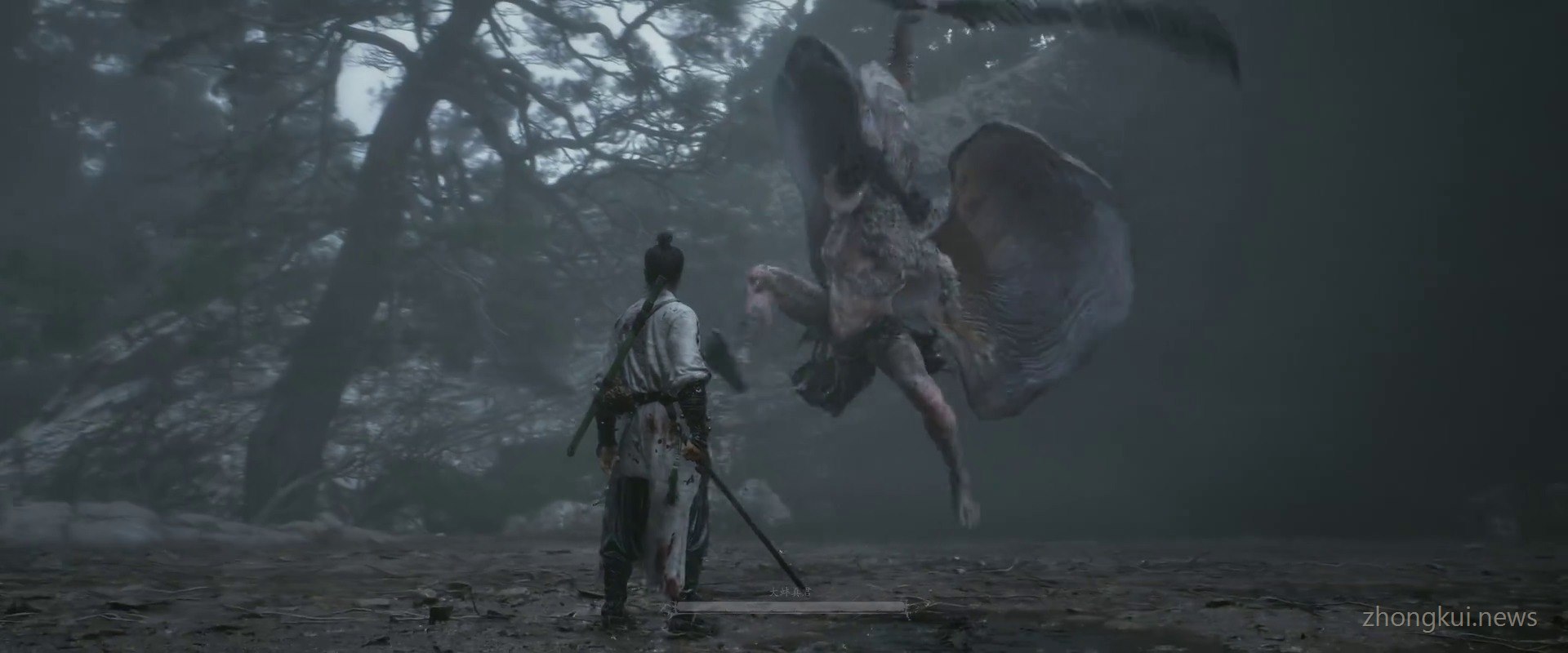
On the name. 大蚌真君 (Dà Bàng Zhēnjūn) is the official Chinese name shown in the HUD. Game Science has published no official English localization; "True Lord Giant Clam" is our provisional translation, and any English rendering in this article should be treated as such.
The primary text
Yuan Mei (袁枚), Zi buyu (子不语, "What the Master Did Not Speak Of"), juan 18, "Fang bang" (方蚌):
忽一蚌开口,其壳内有蓝面人,如夜叉状,卧其中。见人,手足皆动,作攫拿势,欲起而不得脱,盖其躯生壳上,即借蚌壳为背,故不能脱壳而出。
Translation by ZhongKui News: "Suddenly one clam opened: inside its shell lay a blue-faced figure shaped like a yaksha. Seeing the man, it moved its limbs as if to grab him, yet could not break free — for its body was grown into the shell, using the shell as its back, and so it could not leave it." (full entry in Chinese; also via the Chinese Text Project)
Why the parallel is notable
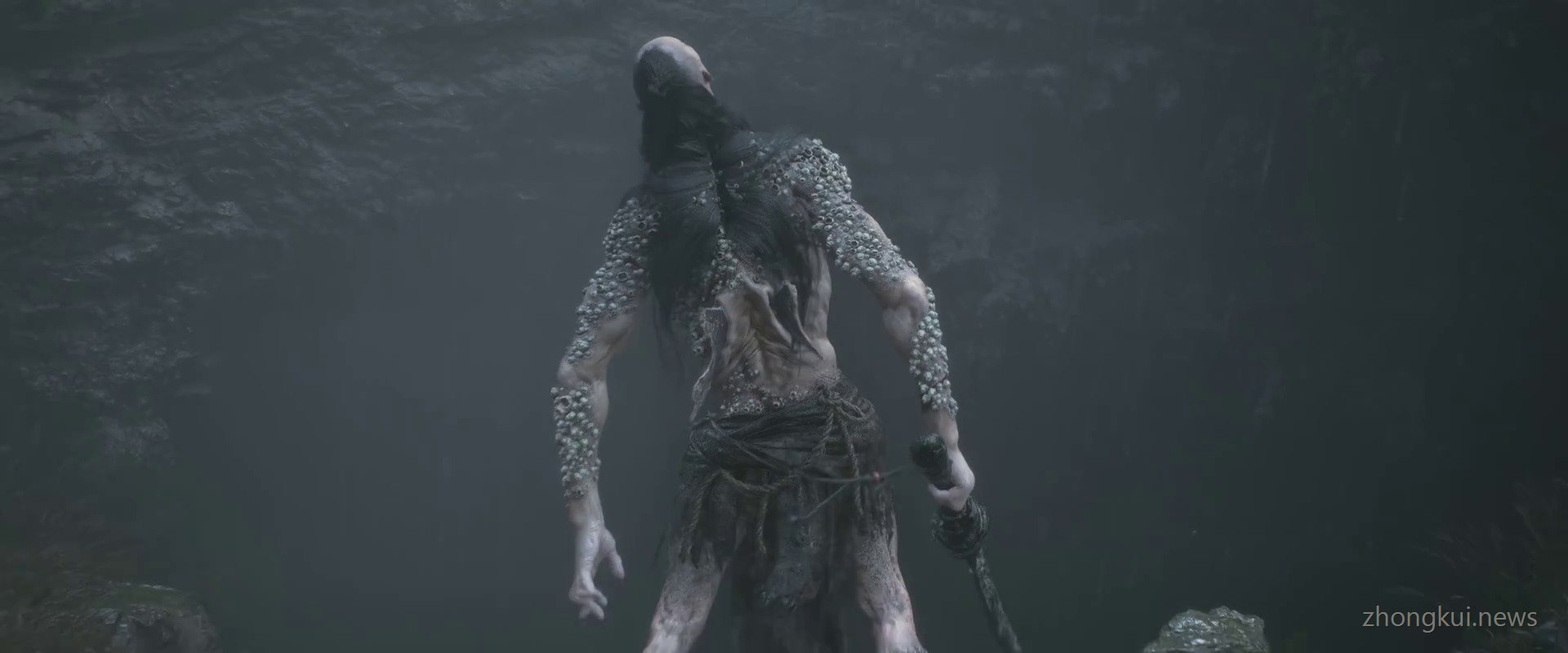
The match is structural. Both are not "giant clams" but a human presence physically fused into a bivalve shell, lashing out from inside it — which is exactly the boss's first-phase body plan, down to the shell acting as the creature's back. Analysis
Where the match breaks down
In Yuan Mei's entry the creatures cannot leave their shells; the demo's boss tears free for phase two — an inversion, not a copy. The text describes no weapon, no barnacles and no combat; and nothing published by Game Science connects the boss to this passage.
Verdict
Strong textual parallel — unconfirmed as a Game Science source. The body plan is too specific to dismiss; the attribution is not ours to make.
Two supporting details
The title. Zhenjun (真君, "True Lord") is a Daoist divine honorific, not a monster label. The Taiping Guangji devotes an entry to "Xu Zhenjun," the deified flood-tamer Xu Xun; Fengshen Yanyi calls Yang Jian "Qingyuan Miaodao Zhenjun"; Journey to the West styles the river god Erlang "Xiansheng Erlang Zhenjun." A clam addressed like a water deity reads like a fallen guardian, not an animal — one popular reading among Chinese players takes it as exactly that. The demo confirms neither. Analysis
The word. Early Chinese already had a word for a giant clam: shen (蜃). The Rites of Zhou lists it among gathered shellfish, and the Guoyu (Jinyu 9) says pheasants entering the Huai become shen — glossed by the commentator Wei Zhao as shellfish of the mussel class. The mirage-making, dragon-like shen is a later, separate tradition. Our Gameplay Deep Dive covers the best-known flood-spirit candidate, Shenlang of the Taiping Guangji; "Fang bang" shows the fused-to-shell body plan existed as its own motif.
The faceless marsh spirits
What the demo shows Observed
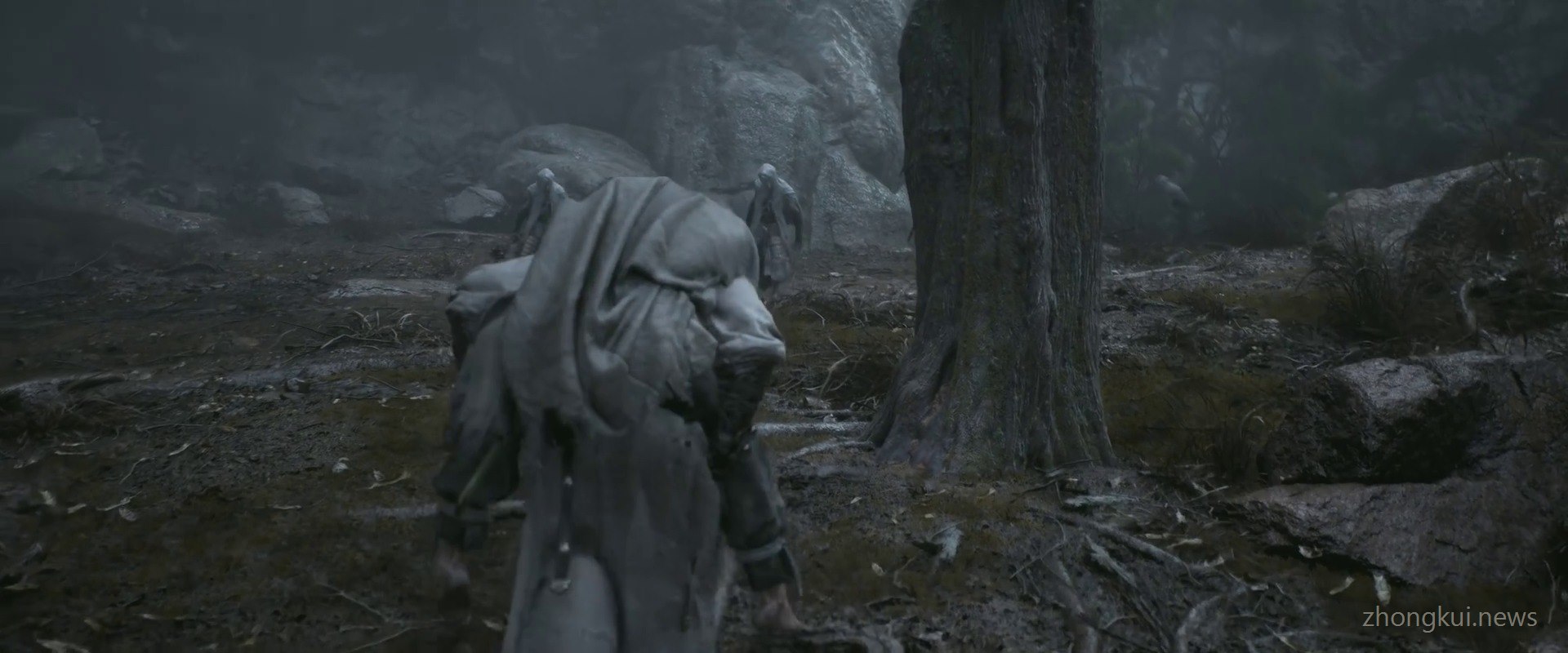
The first enemies are human-shaped figures rising from a flooded marsh, their heads entirely wrapped in rough cloth. No eyes, no mouth, no face is ever visible.
The primary texts
Zi buyu, juan 2, "Shui gui zhou" (水鬼帚, "The Water Ghost's Broom"):
谛视之,眉目无有,黑身僵立,颈不能动,如木偶焉。
Translation by ZhongKui News: "Looking closely, it had no brows or eyes at all — a black body standing stiff, its neck unable to turn, like a wooden puppet." A man drowns at the same spot the next day. (entry in Chinese)
And the oldest label of all. In the Guoyu (Luyu, part 2), Confucius classifies the world's monsters for a ruler: "木石之怪曰夔、魍魉,水之怪曰龙、罔象" — "The monsters of wood and stone are the kui and the wangliang; the monsters of water are the long and the wangxiang." Wangxiang — a word built on vagueness — stayed the generic name for water things that should have no shape but do.
Why the parallel is notable
Faceless, black, waterbound and bound to drowning: the marsh spirits are the Zi buyu ghost rendered as a mob. As for the cloth itself, the ghost books supply the logic — Western demon lore offers a parallel: an exorcist could not cast out a demon without learning its true name. Chinese tales run on the same contract: a spirit is beaten once it is seen clearly and named correctly (our Deep Dive covers a fire-wheel talisman whose literal function is to make a spirit identify itself). A creature that hides its face delays exactly that moment. Analysis
Where the match breaks down
Yuan Mei's ghost wears nothing on its head; the cloth wrapping is the demo's own device. And wangxiang is a category label, not a description of these creatures — we use it for depth, not as an identification.
Verdict
Strong textual parallel for the faceless water-ghost motif; the cloth is Game Science's own design.
The drowned woman
What the demo shows Observed
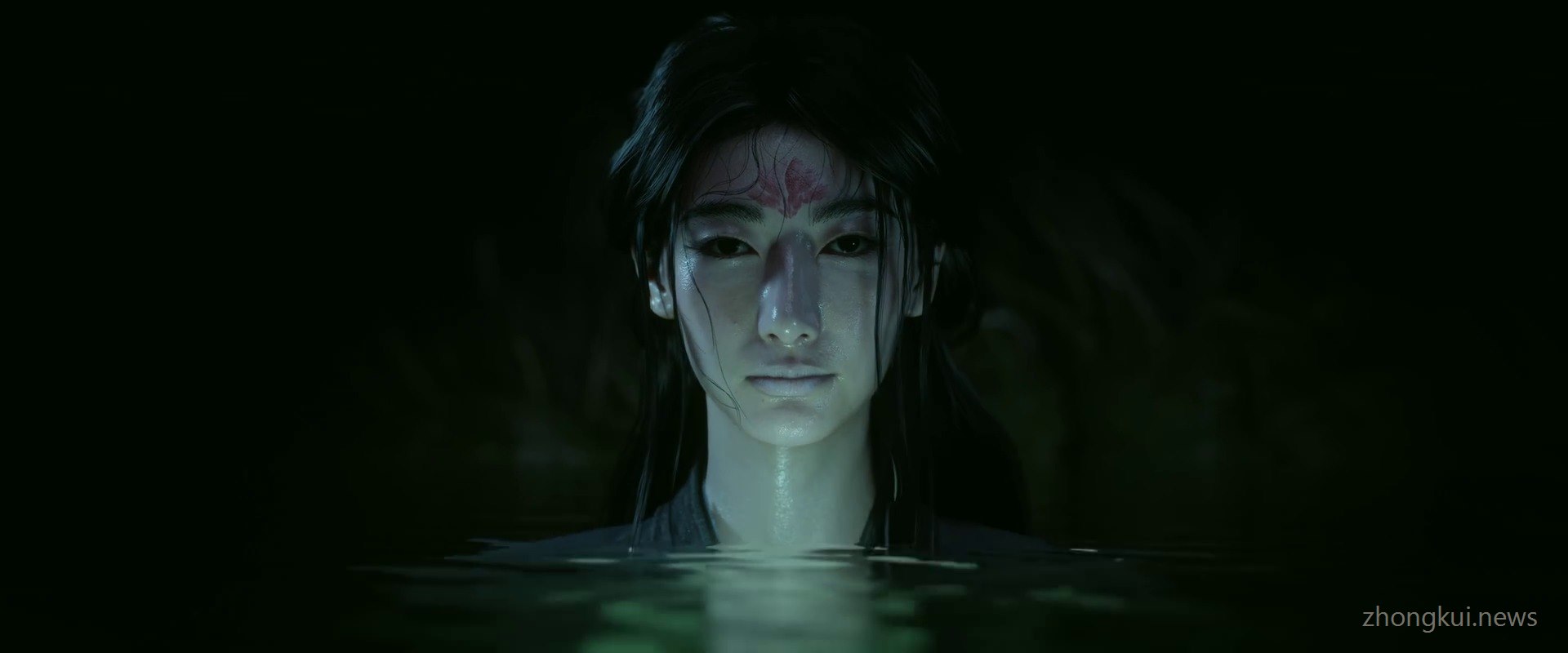
After the clam boss falls, a pale woman rises from the black water — the only face in the marsh that is fully lit: wet hair, open eyes, and a red huadian (花钿), the forehead ornament of Tang-era fashion.
Why we list her at all
The ghost books rarely give water ghosts faces or histories; the demo gives her both. The huadian marks her as someone who once lived, and lived well. But no single text we checked accounts for her, and the demo gives her no name. Chinese community theories exist; none clear our bar for a parallel. Analysis
Verdict
Unresolved — we have not found a convincing textual parallel, and we would rather say so than force one. She belongs to the story pages, not the bestiary — and to whichever official reveal comes next.
The funeral ghoul
What the demo shows Observed
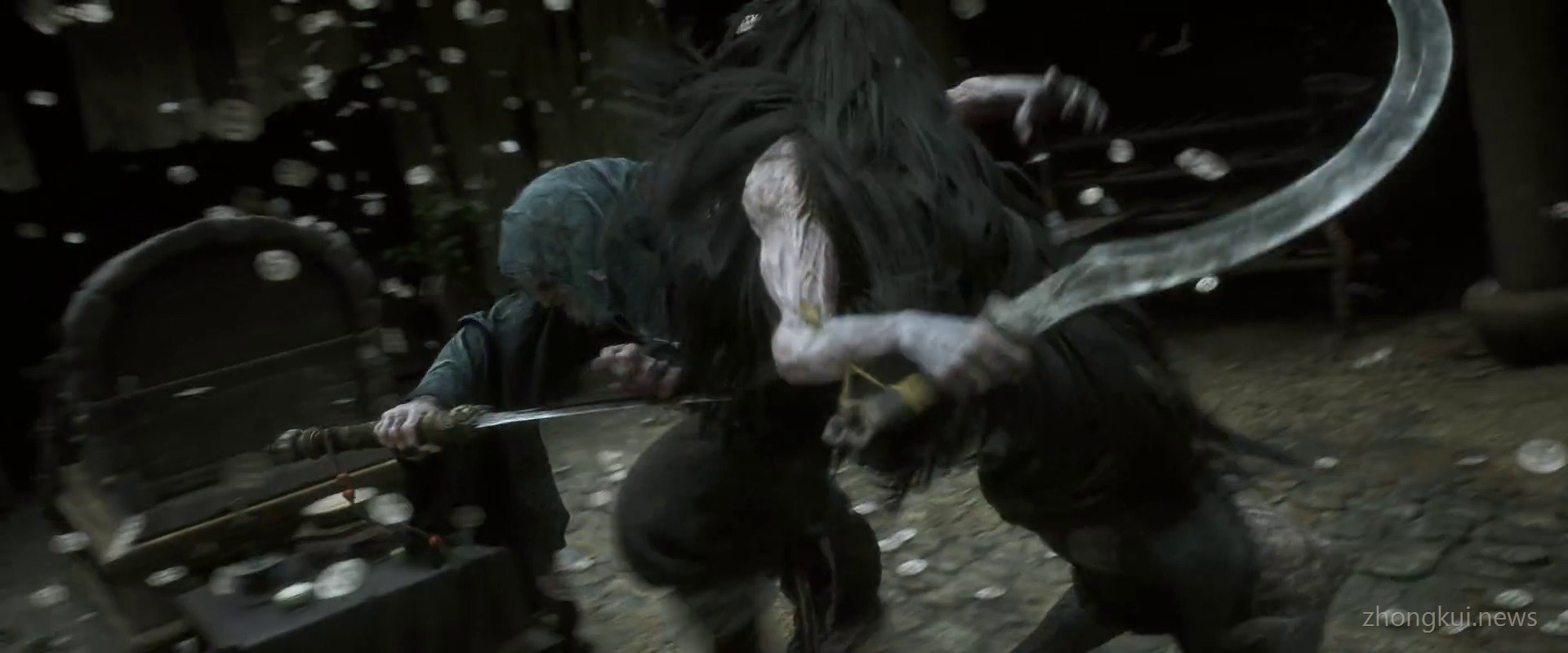
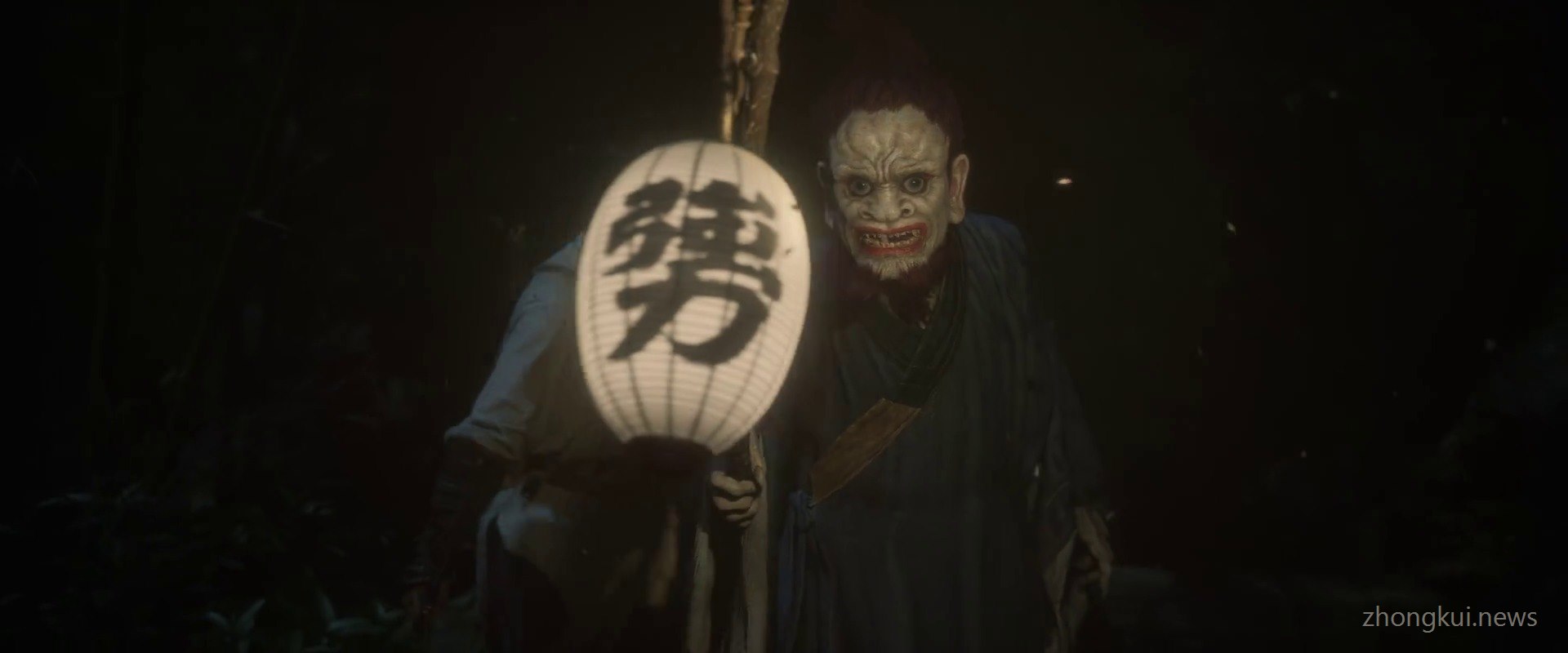
Mid-montage, the swordsman crashes a funeral. Paper spirit money swirls through a courtyard; a white lantern marked 奠 ("libation for the dead") swings in the dark; a figure with hair covering its entire face lunges between the mourners.
The primary text
Taiping Guangji (太平广记), juan 324, "Ou Jingzhi" (区敬之) — marked at the end as drawn from Shuyi ji:
如人长大,披发至足,发多蔽面,不见七窍……此物坐亡人头边哭……见此物以面掩亡人面,亡人面须臾裂剥露骨。
Translation by ZhongKui News: "Human-sized, hair trailing to its feet, so much of it covering the face that none of the seven openings could be seen… The thing sat weeping by the dead man's head… it pressed its face against the corpse's, and the dead man's face split and peeled to the bone." The story is dated 424 CE, at Nankang. (entry in Chinese)
Why the parallel is notable
A hair-shrouded weeping thing at a vigil, placed inside an on-screen funeral — paper cash and mourning lantern included. The setting match is nearly one-to-one. Analysis
Where the match breaks down
In the text, the creature weeps and the corpse's flesh peels away; it does not fight, and "devouring" is an inference readers have added. The demo turns the encounter into combat. The vigil in the text happens on a moored boat, not in a courtyard.
Verdict
Strong textual parallel — unconfirmed as a Game Science source.
Source note: a story that is often misattributed
This funeral tale circulates online — including in some coverage of the demo — as a passage of Gan Bao's Soushen ji (搜神记). That attribution does not hold. The three relevant Soushen ji scrolls contain no such entry, and the harder evidence is chronological: Gan Bao died in 336 CE, while the story itself is dated 424 CE. The tale in fact survives in the Taiping Guangji (juan 324), which explicitly marks it as drawn from the lost 5th-century collection Shuyi ji.
For citation, we therefore recommend: describe the story as "preserved in Taiping Guangji juan 324, which attributes it to Shuyi ji" — not as a secure Soushen ji passage.
The laughing old man
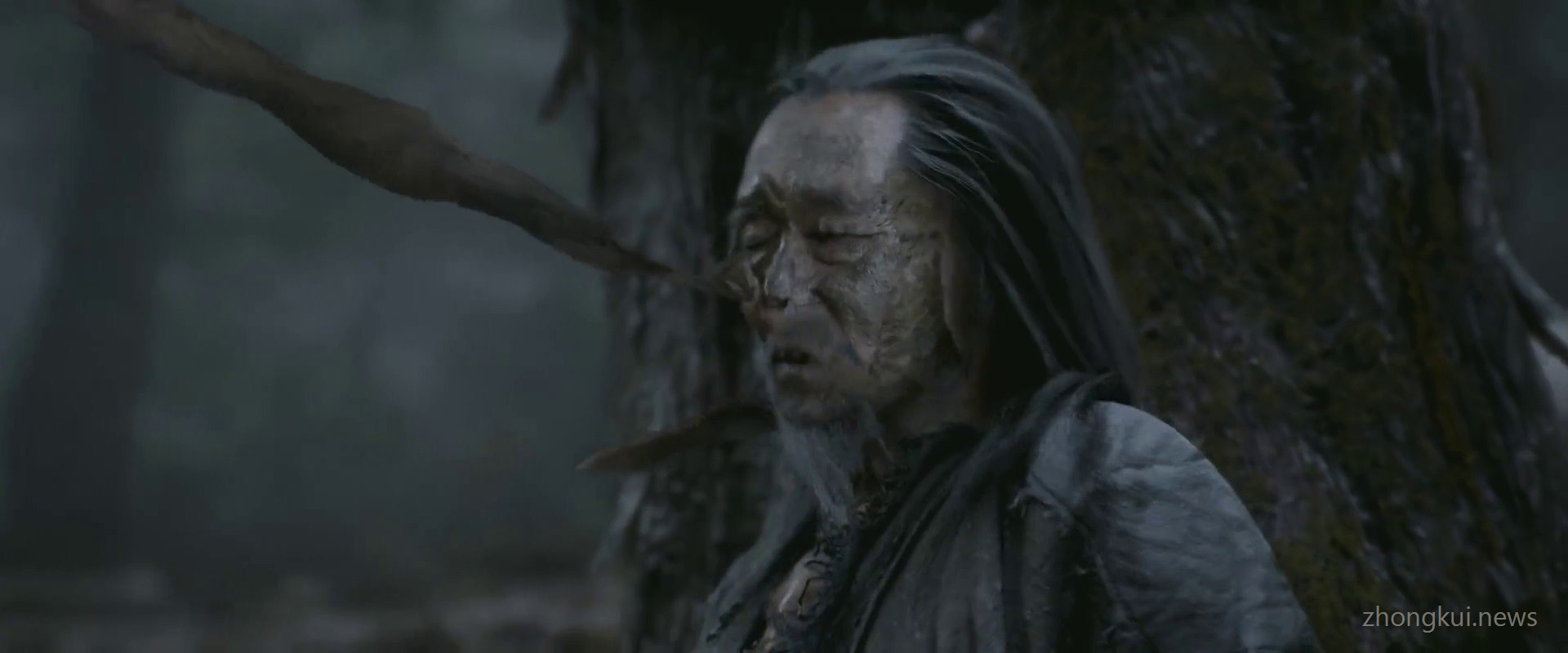
What the demo shows Observed
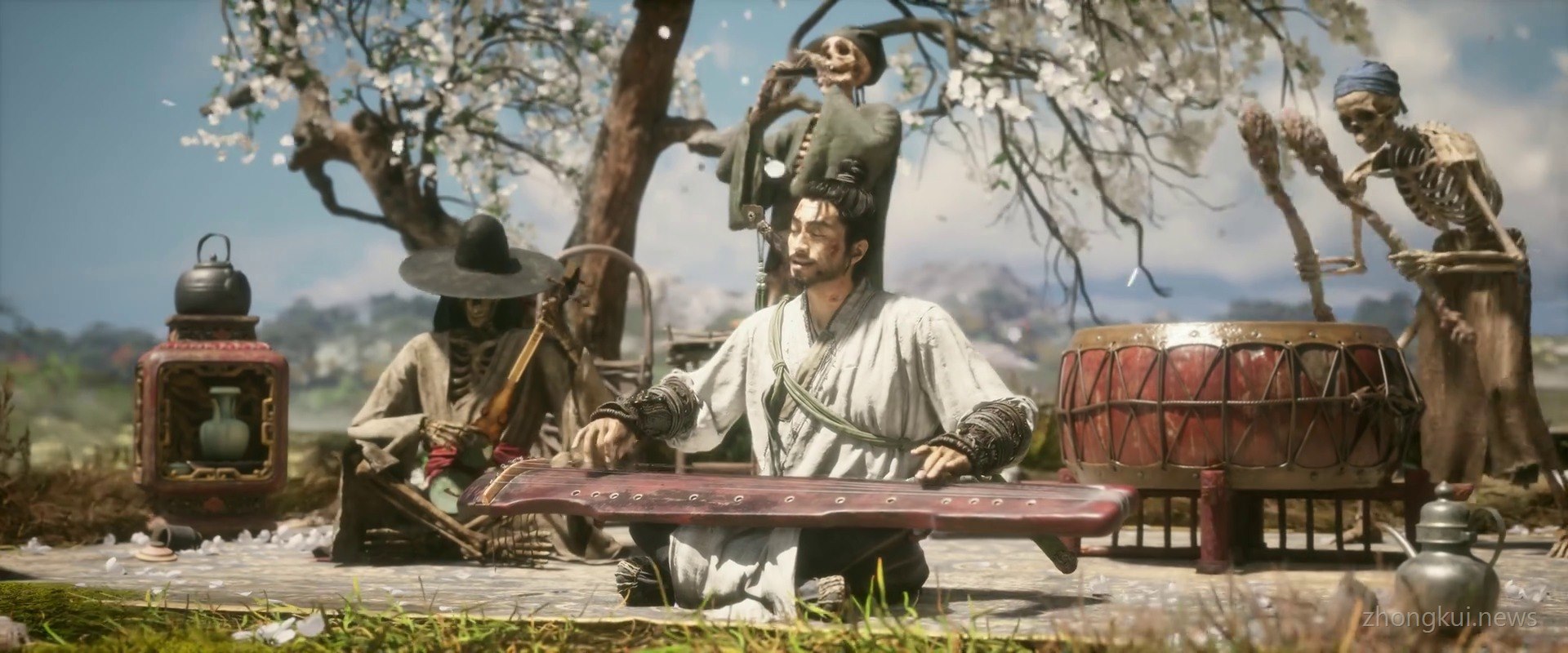
An emaciated old man laughs, eats and steers the swordsman toward the water — then dissolves into a paper talisman that leads the way onward. The demo gives ghosts a social world, too: later, three skeletons hold a hillside jam session on drums, a thigh-bone percussion and a scholar's qin.
The primary text
The Qing novel opens with a registry of ghosts — the Braggart Ghost, the Clinging Ghost, the King of the Shameless Face — and gives Zhong Kui two helpers. Old Man Tongfeng (通风老人), an elderly human villager: "老漢姓通名風……就是這村中人" — "My surname is Tong and my given name Feng; I am a man of this village." And a bat, once a field mole: "凡有鬼的所在,惟俺能知。尊神欲誅妖邪,俺情願做個向導" — "Wherever there are ghosts, only I can sense them. If you would smite the wicked, I am willing to serve as your guide." (chapter 1; chapter 3)
Why the parallel is notable
A knowing old local and an animal scout are the novel's two guide figures. The demo's old man behaves like the first and then becomes the second — a single character compressing both classic roles. Analysis
Where the match breaks down
Tongfeng is human and never transforms; nothing in the novel turns a person into a talisman. The book's face-related ghost king (the King of the Shameless Face) has no guiding function either. The compression is our hypothesis about the game's design, not a plot point from the text.
Verdict
Possible parallel — the roles rhyme, the text does not insist.
The montage cameos: boar, winged fish, turtle monk
What the demo shows Observed
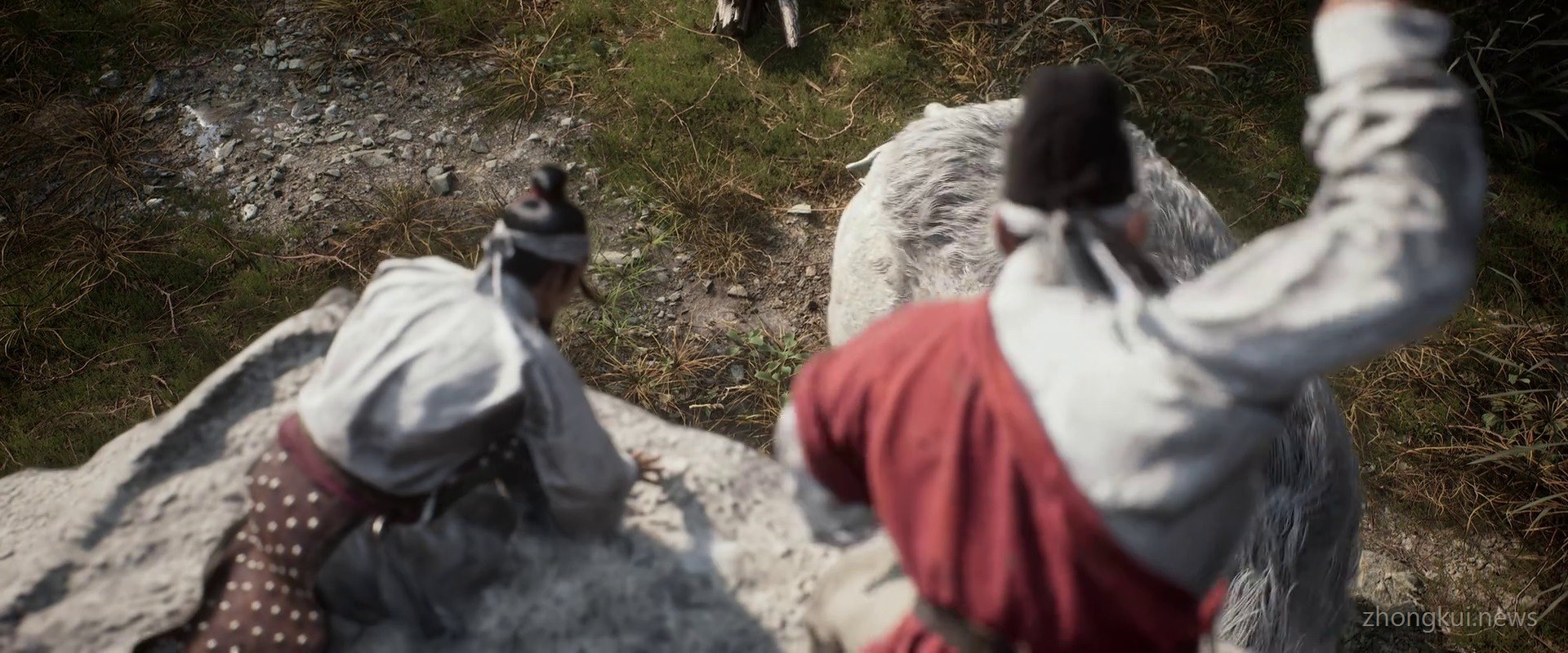
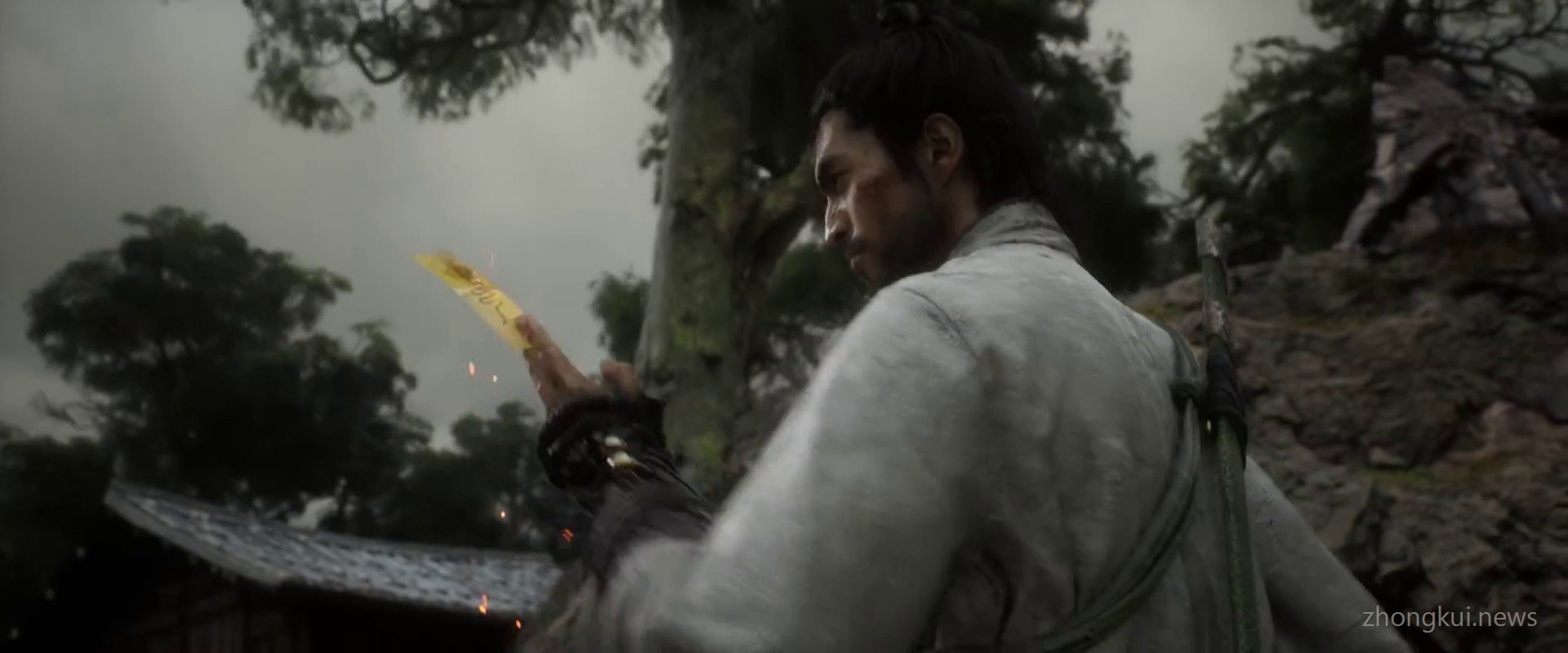
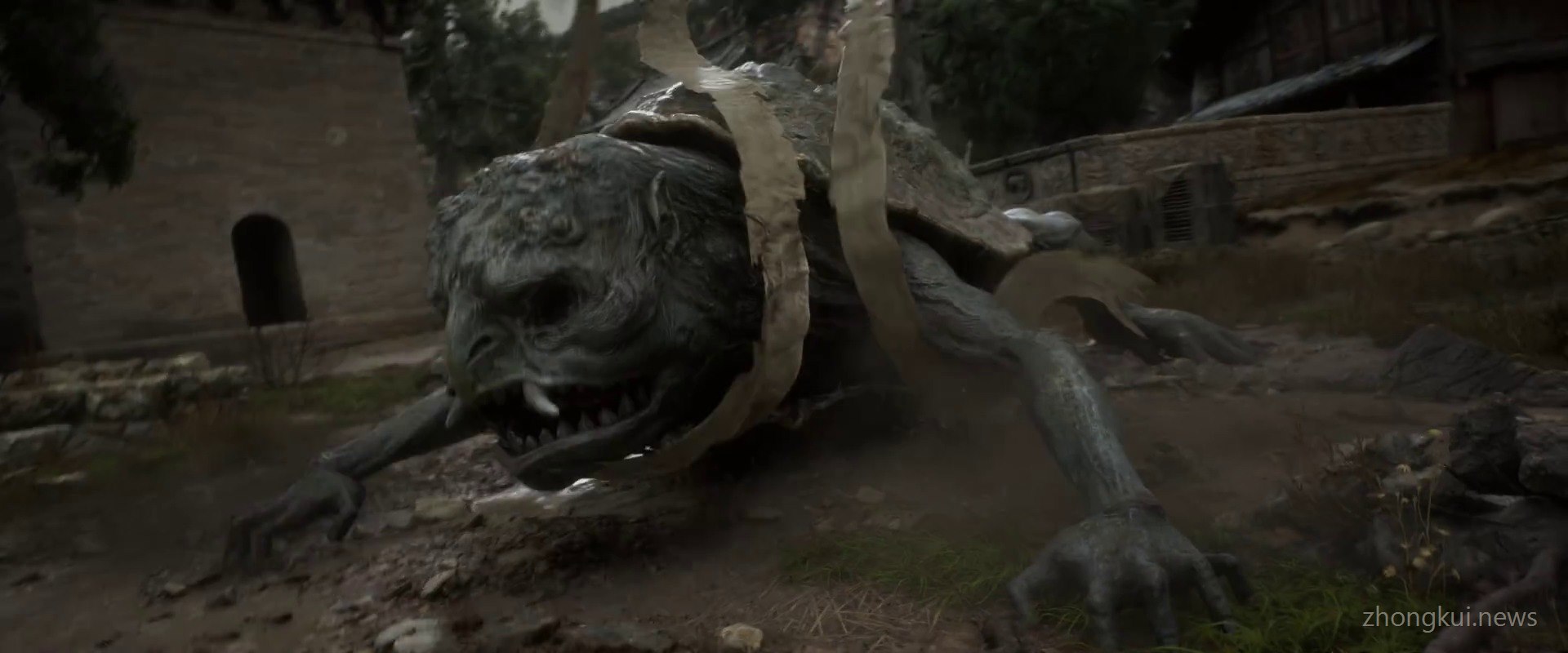
Three quick creatures flash past in the closing montage: a white-furred boar pelted with stones by two villagers; a huge winged fish gliding over the trees, pinned by the swordsman's burning talisman; and a hulking creature with a monk-like head on a turtle's body crawling through a village, talismans already stuck to its back.
The primary texts
当康:其状如豚而有牙,其名曰当康,其鸣自叫,见则天下大穰。 — "Shaped like a piglet with tusks; its cry sounds like its own name; its appearance heralds a bumper harvest." (Shanhaijing, Dongshan Jing)
文鳐鱼:状如鲤鱼,鱼身而鸟翼,苍文而白首,赤喙……以夜飞。 — "Shaped like a carp, a fish's body with a bird's wings, azure-patterned with a white head and red beak… it flies by night." (Xishan Jing)
海和尚:人首鳖身,足差长而无甲,舟行遇者,率虞不利。 — "A human head on a softshell-turtle's body, with rather long legs and no shell; sailors who meet it always fear misfortune." (Haiyu, juan 2, translation by ZhongKui News)
Why the parallels are notable
Dangkang and wenyao share a trait most bestiary creatures lack: both are benevolent omens — "their appearance heralds a great harvest." Two harvest omens and one maritime dread inside twenty seconds of montage suggests the game's world, like the old books, mixes good luck and bad without separating them. And the talisman-catch itself shows a mechanic straight out of the ghost books: subdue, don't just kill. Analysis
Where the matches break down
The classic gives the dangkang no coat color; the boar's white fur is the game's choice. The on-screen Sea Monk visibly wears a plated back, while the Haiyu entry says "no shell." The winged fish's markings cannot be verified at montage speed.
Verdict
Strong parallels on silhouette and role; details differ, and none are confirmed.
Footnote: the headless torso
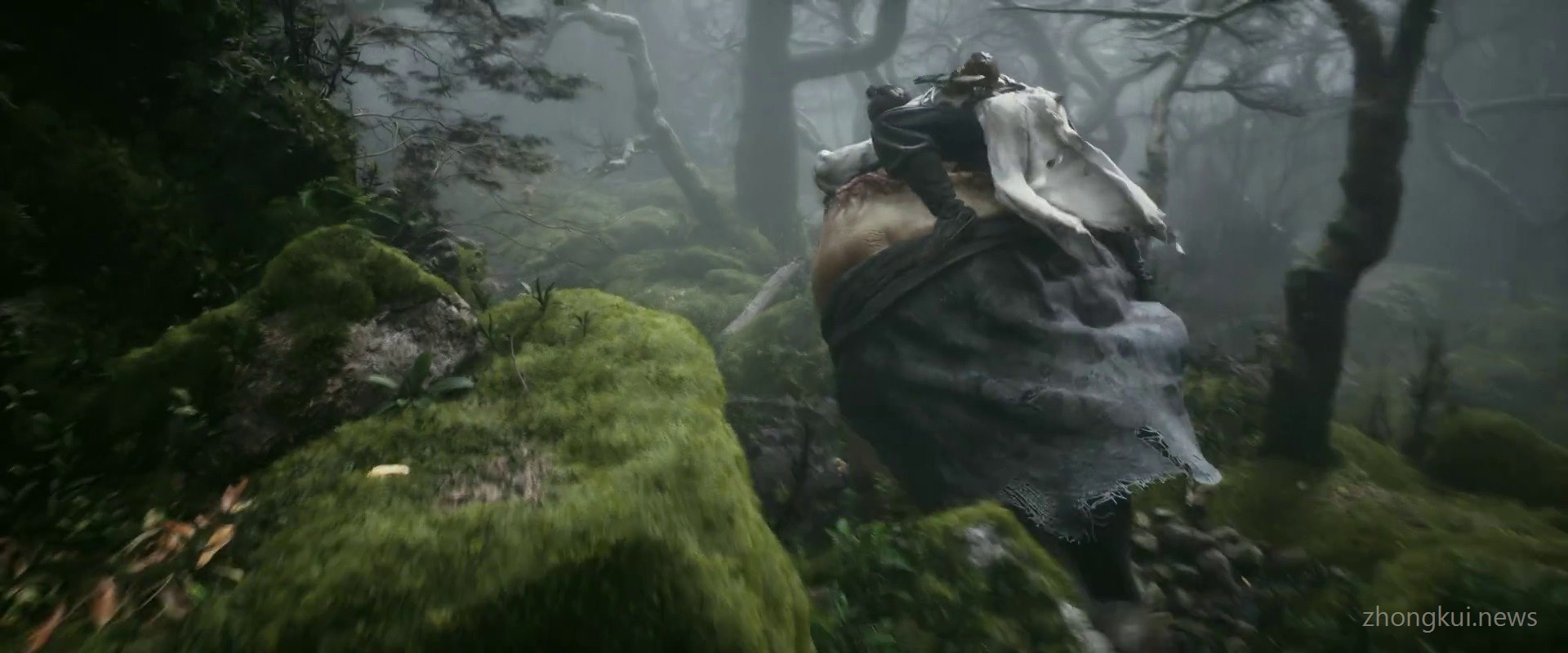
One more figure flashes by: a headless, stitched torso the swordsman appears to chase or ride. We list no candidate — but the motif is ancient. The Shanhaijing tells of Xingtian, who fought the Supreme Deity, was beheaded, and "以乳为目,以脐为口,操干戚以舞" — "made eyes of his nipples and a mouth of his navel, brandishing shield and axe" (Haiwai Xijing). Verdict: Unresolved; the motif predates any name we could attach.
Chinese terms in this article
| zhiguai 志怪 | "Accounts of the strange" — the Chinese ghost-book tradition of anomaly tales and bestiaries. |
|---|---|
| juan 卷 | A textual division of a Chinese book, roughly a volume or scroll. |
| zhenjun 真君 | "True Lord," a Daoist divine honorific. |
| huadian 花钿 | A decorative forehead ornament of Tang-era fashion. |
| fulu 符箓 | Daoist paper talismans that call, restrain or dismiss spirits. |
| shen 蜃 | Early word for a giant clam; later, a mirage-making shapeshifter (a separate tradition). |
| wangxiang 罔象 | The classical label for water monsters, from Confucius's taxonomy in the Guoyu. |
What we still don't know
- Game Science has published no creature bestiary and confirmed no literary inspirations.
- Several demo creatures remain unnamed, including the drowned woman and the funeral ghoul.
- No official English localizations exist for the Chinese names; all English renderings here are provisional.
- Similarity to a historical text does not establish that the developers used it.
- Some footage — the headless torso, the spirit market — defies identification for now.
Why the paper trail matters
Whether or not these specific texts were direct inspirations, the demo speaks a creature vocabulary that keeps overlapping with motifs recorded across two millennia of zhiguai and mythographic writing — and it renders them closely enough that a fifth-century text can double as a strategy hint: see the creature clearly, name it, and it can be beaten. We will keep this page updated as new footage arrives and new parallels check out.
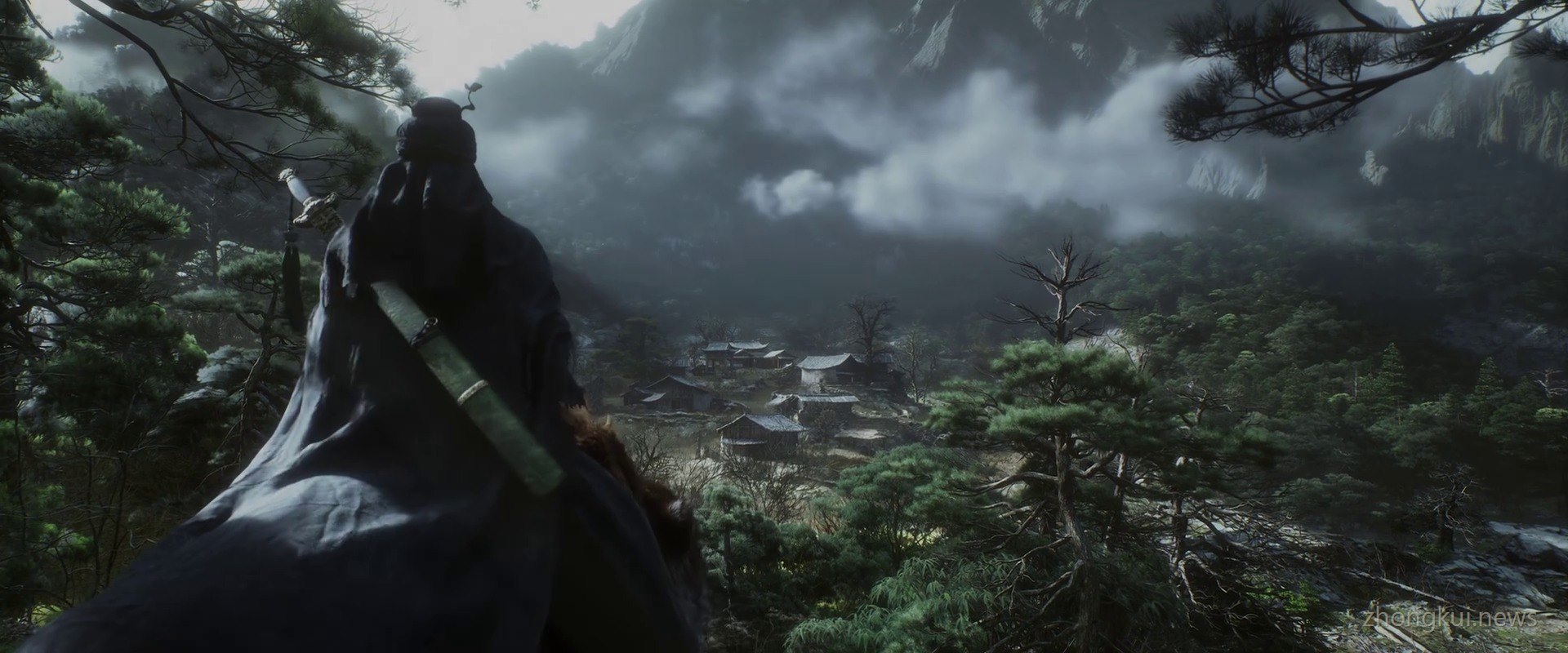
The scene-by-scene read of the full demo is in our Gameplay Deep Dive; the Ghost King himself is covered in the Zhong Kui lore guide; every official video sits on the Trailers page; and the running log of official status lives on the Latest Updates page.
A note to readers
Unless otherwise noted, translations from premodern Chinese texts, the frame-to-text comparisons and the confidence assessments in this article are by ZhongKui News. If you cite this research: ZhongKui News, "Every Monster We Could Identify in Black Myth: Zhong Kui — and Its Folklore Roots," updated August 22, 2026. Corrections and research questions are welcome via our contact page.
Update log. Published August 21, 2026. Restructured August 22 as a research reference: per-creature evidence cards, confidence labels, primary-text quotations with our translations and a misattribution source note. Frames are from the official gameplay video.
Sources
Primary texts
- Yuan Mei, Zi buyu, juan 18, "Fang bang" — cngwzj; Chinese Text Project. The shell-fused clam spirits.
- Yuan Mei, Zi buyu, juan 2, "Shui gui zhou" — xuges. The faceless drowned ghost.
- Taiping Guangji, juan 324, "Ou Jingzhi" (attributed to Shuyi ji) — guoxue123. The funeral ghoul.
- Guoyu, Luyu part 2 — Chinese Text Project. Confucius's monster taxonomy (wangxiang). Jinyu 9 — CTP (shen, the giant clam).
- Liu Zhang (attr.), Zhong Kui Slays the Ghosts, ch. 1 and ch. 3. The ghost registry, the bat guide, Old Man Tongfeng.
- Shanhaijing: Dongshan Jing (dangkang), Xishan Jing (wenyao fish), Haiwai Xijing (Xingtian).
- Huang Zhong, Haiyu, juan 2 — Chinese Text Project. The Sea Monk.
- Taiping Guangji, juan 14, "Xu Zhenjun" — CTP; Fengshen Yanyi; Journey to the West, ch. 6. The "True Lord" honorific.
Official game sources
- Official gameplay video. Black Myth on YouTube, August 20, 2026. All timestamps and frames; also official Bilibili upload.
- Official Black Myth: Zhong Kui page. Game Science.


